All Categories
Featured
Estimated Rising Costs for 2026
Table of Contents
Heirs can inherit a taxable financial investment portfolio with a "clean slate" from a tax point of view. Such is not the case with variable annuities. Investments held within a variable annuity do not receive a cost-basis adjustment when the original owner of the annuity dies. This indicates that any built up latent gains will be handed down to the annuity owner's heirs, along with the associated tax problem.
One substantial problem related to variable annuities is the potential for conflicts of interest that might exist on the part of annuity salesmen. Unlike a financial advisor, who has a fiduciary duty to make financial investment choices that benefit the client, an insurance broker has no such fiduciary commitment. Annuity sales are highly profitable for the insurance coverage specialists who offer them since of high in advance sales commissions.
The strong monetary incentive for insurance coverage salespeople to press variable annuity items raises questions regarding the suitability of such items for many investors to whom they are offered. Financiers who are considering acquiring a variable annuity ought to fully think about these prospective conflicts of interest when figuring out whether such a product makes sense in the context of his or her monetary objectives.
Numerous variable annuity agreements consist of language which places a cap on the percentage of gain that can be experienced by certain sub-accounts. These caps prevent the annuity owner from completely taking part in a part of gains that could otherwise be enjoyed in years in which markets produce considerable returns. From an outsider's point of view, it would appear that financiers are trading a cap on investment returns for the previously mentioned ensured floor on investment returns.
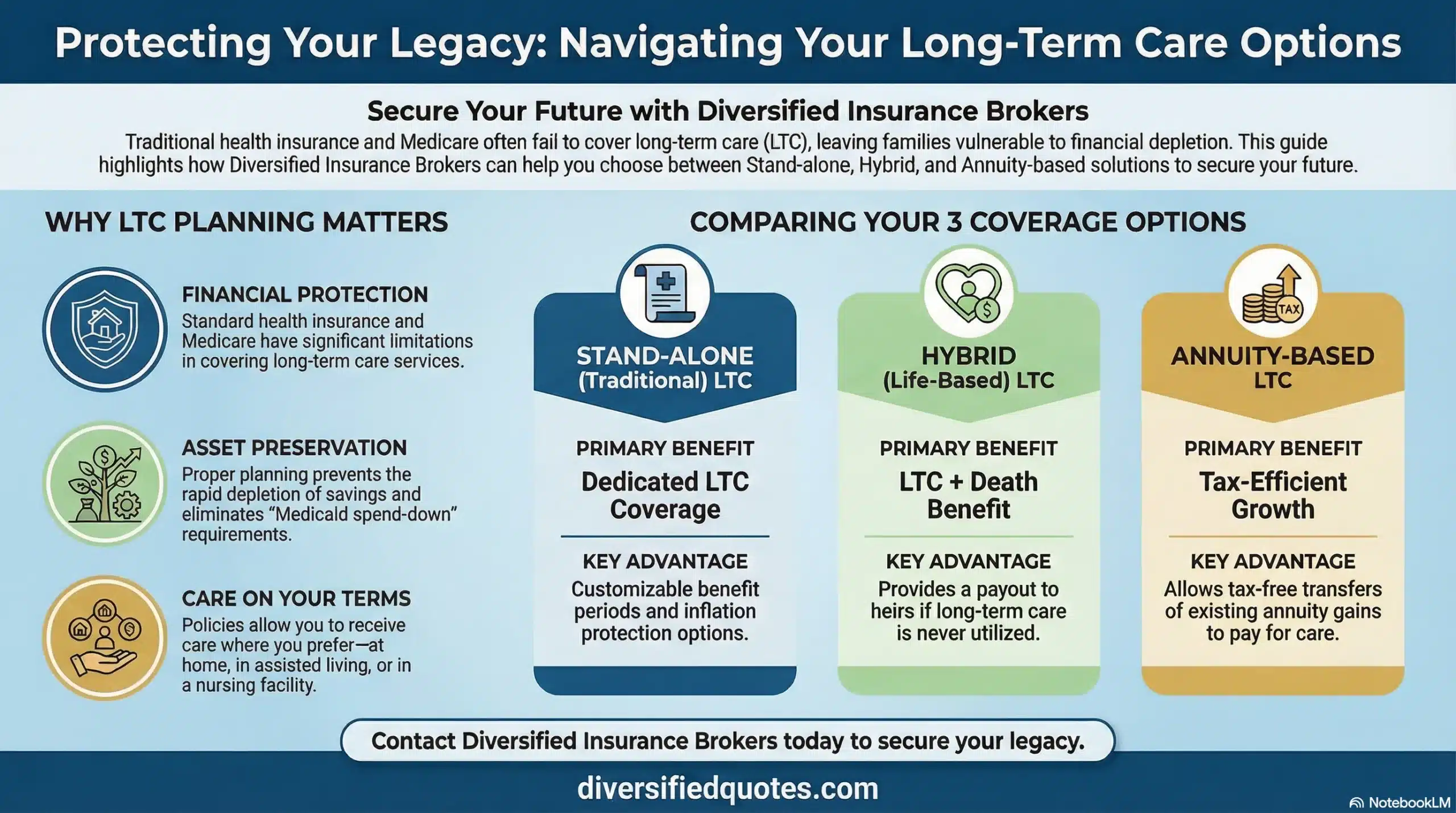
Why Long-Term Care Strategies Matter
As kept in mind above, surrender charges can significantly restrict an annuity owner's ability to move properties out of an annuity in the early years of the agreement. Even more, while many variable annuities permit contract owners to withdraw a specified amount throughout the build-up stage, withdrawals beyond this quantity normally result in a company-imposed charge.
Withdrawals made from a fixed rate of interest financial investment option might likewise experience a "market worth change" or MVA. An MVA adjusts the value of the withdrawal to show any changes in interest rates from the time that the cash was purchased the fixed-rate choice to the time that it was withdrawn.
Rather often, even the salespeople who sell them do not completely understand how they work, therefore salesmen in some cases take advantage of a buyer's emotions to sell variable annuities rather than the benefits and suitability of the products themselves. We think that financiers should completely understand what they own and how much they are paying to own it.

The exact same can not be stated for variable annuity possessions held in fixed-rate investments. These properties lawfully belong to the insurance provider and would for that reason be at risk if the company were to fail. Any assurances that the insurance business has actually agreed to provide, such as a guaranteed minimum income advantage, would be in question in the event of a company failure.
Using Life Insurance for Retirement Income
Possible purchasers of variable annuities should understand and think about the monetary condition of the issuing insurance coverage business before entering into an annuity agreement. While the advantages and drawbacks of different types of annuities can be disputed, the genuine problem surrounding annuities is that of suitability. In other words, the concern is: who should own a variable annuity? This question can be hard to answer, offered the myriad variations available in the variable annuity universe, but there are some standard standards that can help investors decide whether or not annuities need to play a function in their financial strategies.
of variable annuities, it would appear to us that the only investors who ought to consider owning variable annuities would be those who: Are in a high-income tax bracket and anticipate to be in a lower tax bracket in retirement; Have exhausted all other tax-deferral vehicles; Have little need for liquidity; Expect to have a considerable staying life expectancy; Are comfy giving up control of their capital to an insurer; Are willing to accept complete or partial restrictions on the transfer of assets to their heirs upon their death; Have a very low tolerance for investment loss.
Retirement Planning San Diego CAIndividuals who do not satisfy these criteria would be better served, in our estimation, by putting their capital towards other types of financial investments that might potentially produce higher returns that are not dragged down by the high fees connected with variable annuities while also offering greater liquidity and potentially more optimal tax treatment.

Latest Posts

Managing Longevity and Long-Term Care Needs in 2026
Funding Future LTC Expenses
LTC Options Beyond Medicare