All Categories
Featured

Forecasting Long-Term Care Costs
Table of Contents
Every policy has details that can make a huge difference. Look for: Elimination periods (the waiting duration before advantages kick in) Surefire renewability (so your coverage can't be canceled if your health changes) Nonforfeiture choices (to retain some worth if you cancel the policy) Take the time to examine all terms, conditions, and exemptions.

The great print often covers provisions about how and when your benefits are paid, any limits on coverage, waiting periods before benefits kick in, and whether your premiums could increase with time. These ideas can assist you discover the long-lasting care insurance that fits you finest When planning for retirement, the majority of people focus on saving enough to change lost earnings.
Long-lasting care insurance coverage helps cover those expenditures, safeguarding your financial resources and offering assurance in retirement., we understand that the expense of long-lasting care can be a significant concern. That's why we use versatile, individualized care choices, so you just pay for the level of assistance your enjoyed one really requires, whether it's for a few hours, a week, or longer.

Strategic Financial Planning for Future Needs
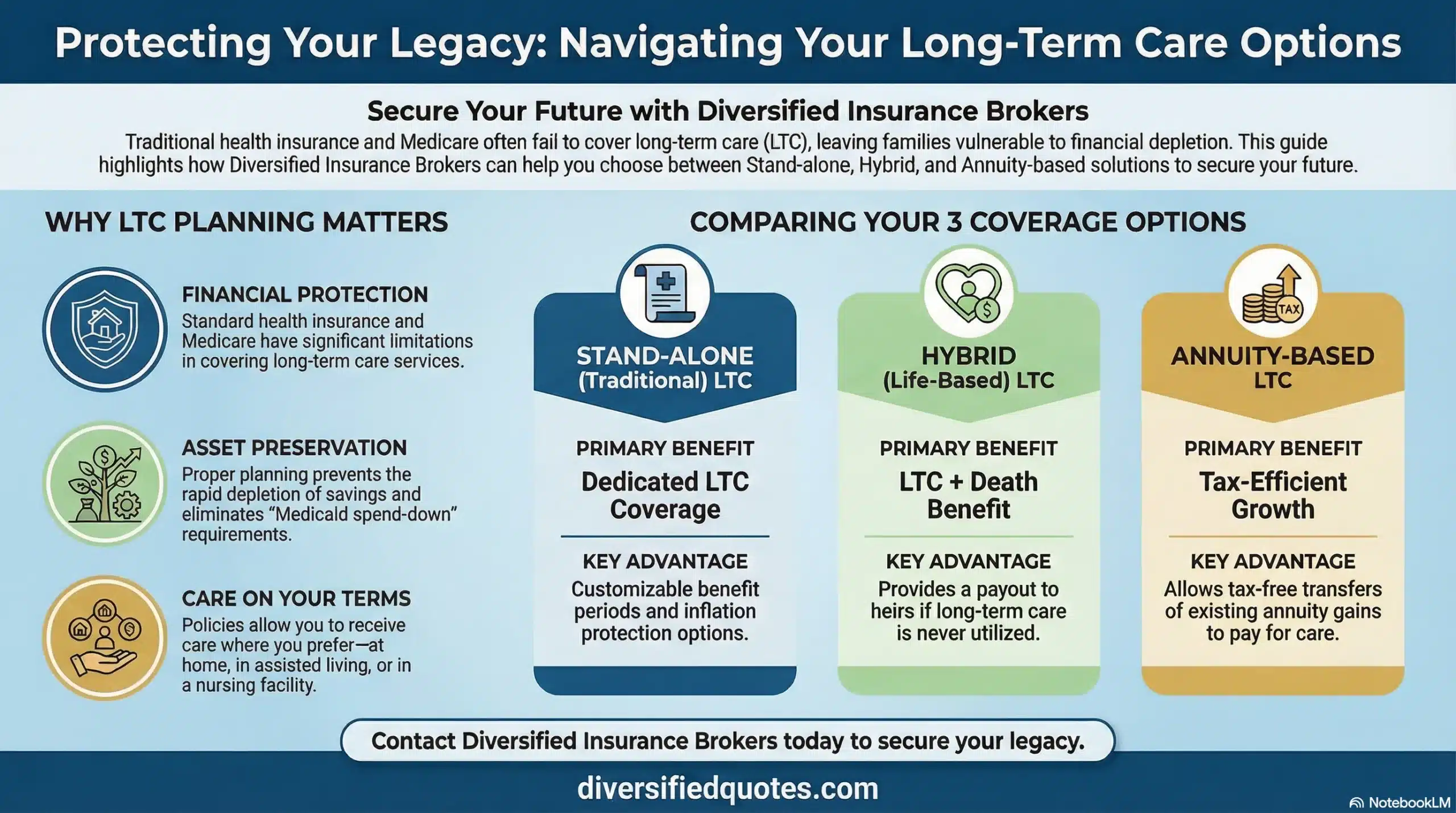
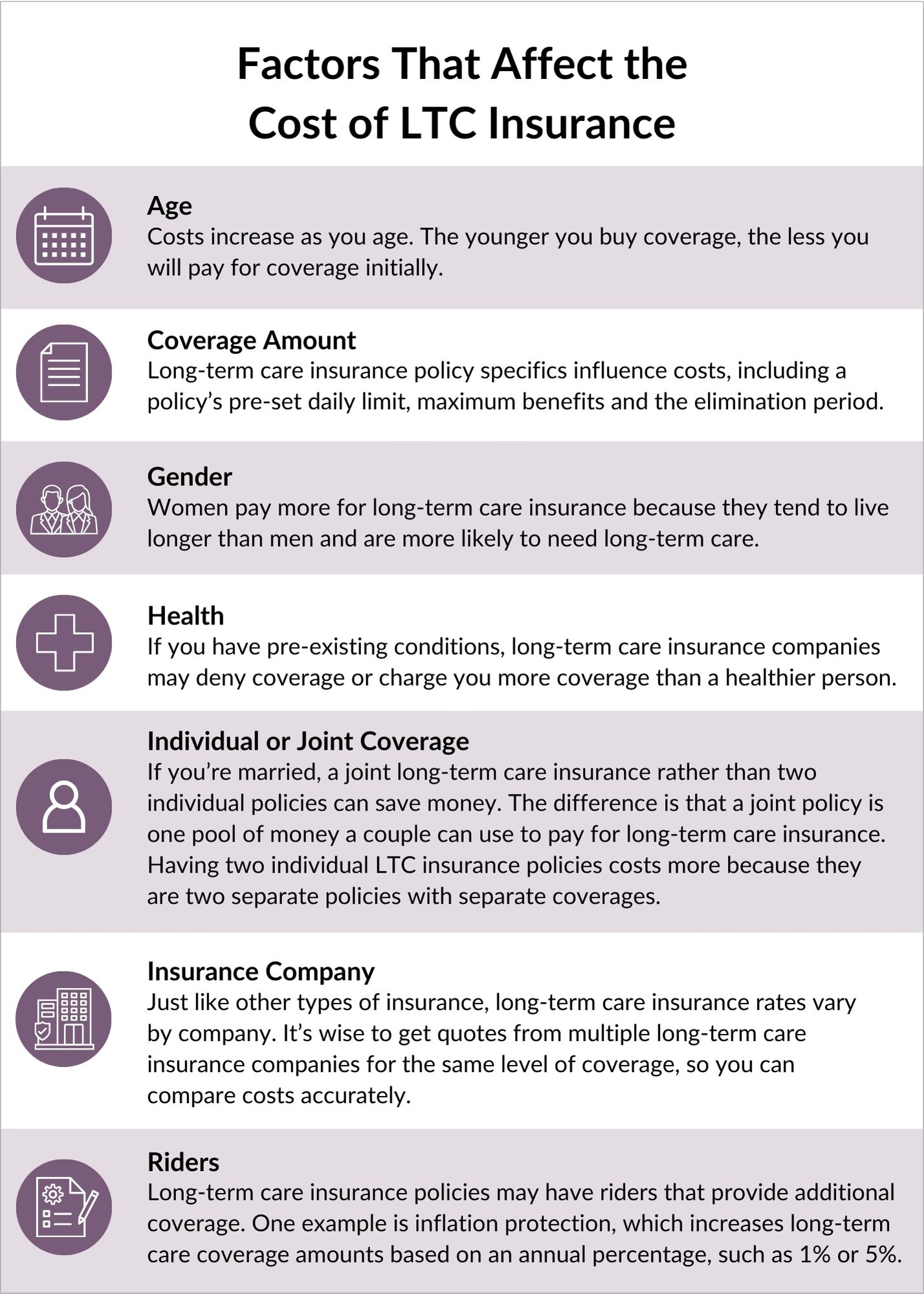
This helps you manage costs while guaranteeing your liked one gets safe, dependable care. Here's a peek at how long-lasting care insurance coverage changes with age: $1,200$3,700 each year $2,075$6,600 per year $3,600$12,375 each year (higher threat) The finest time to purchase long-lasting care insurance is typically Long-lasting care insurance premiums are based upon your age and health at the time you apply.
Vaccines are a fundamental part of healthy aging and these guides can help you comprehend which one's matter most:.
The Medical Insurance Marketplace Open Registration Duration for plan year 2026 starts on November 1, 2025, and runs till January 15, 2026. The typical premium after tax credits is projected to be $50 each month for the lowest expense strategy in 2026 for eligible enrollees. This represents a $13 increase from 2025.
Retirement Planning Chula Vista CALTC Insurance Compared to Medicare
Premium Affordability: Qualified enrollees continue to have robust access to low premium plans after using advance payments of the exceptional tax credit. Comparable to 2025, on average, tax credits are forecasted to cover 91% of the least expensive cost strategy premium in 2026 for eligible enrollees. This compares to 85% in the 2020 coverage year, which was the last protection year not impacted by momentary COVID-19 pandemic policies.
While this represents a $13 increase from 2025, it stays $20 less costly than the month-to-month premium after tax credits in 2020. In 2026, almost 60% of eligible re-enrollees will have access to a strategy in their selected health strategy category at or listed below $50 after tax credits. This compares to 83% of eligible enrollees in 2025 and 56% in 2020 with comparable gain access to.
The typical 2026 enrollee has between 6 and 7 QHP providers readily available. In 2026, 95% of enrollees have access to three or more QHP providers, compared to 96% in 2025 and 68% in 2020. In addition, less than 1% of 2026 enrollees have only one available QHP company, which is the most affordable percentage in history.
In 2026, this will make HSA-eligible plans available to every customer in every county across the states that use This expands access to HSA-eligible plans to at least 1.6 million additional consumers. ###.
Vaccines are a crucial part of healthy aging and these guides can assist you understand which one's matter most:.
Evaluating LTC Options Against Public Benefits
The Health Insurance Coverage Market Open Enrollment Duration for strategy year 2026 begins on November 1, 2025, and runs until January 15, 2026. The typical premium after tax credits is forecasted to be $50 per month for the lowest cost plan in 2026 for eligible enrollees. This represents a $13 increase from 2025.
Premium Cost: Eligible enrollees continue to have robust access to low premium plans after using advance payments of the superior tax credit. Similar to 2025, usually, tax credits are projected to cover 91% of the most affordable cost plan premium in 2026 for eligible enrollees. This compares to 85% in the 2020 protection year, which was the last protection year not impacted by short-lived COVID-19 pandemic policies.
While this represents a $13 increase from 2025, it remains $20 less costly than the month-to-month premium after tax credits in 2020. In 2026, almost 60% of qualified re-enrollees will have access to a strategy in their chosen health strategy classification at or listed below $50 after tax credits. This compares to 83% of qualified enrollees in 2025 and 56% in 2020 with equivalent gain access to.
The typical 2026 enrollee has in between 6 and 7 QHP issuers available. In 2026, 95% of enrollees have access to three or more QHP companies, compared to 96% in 2025 and 68% in 2020. In addition, less than 1% of 2026 enrollees have only one readily available QHP company, which is the least expensive percentage in history.
Critical Senior Accident Coverage Tips
In 2026, this will make HSA-eligible strategies readily available to every customer in every county throughout the states that use This expands access to HSA-eligible plans to at least 1.6 million extra consumers. ###.

Latest Posts

Managing Longevity and Long-Term Care Needs in 2026
Funding Future LTC Expenses
LTC Options Beyond Medicare